Twelve pieces.
Written this morning after the market. The order rarely changes; the fish does. Choose any piece to see what it is, where it comes from and when it is at its best.
- Omakase
- $245
- Sake pairing
- $110
- Length
- About two hours
- Seatings
- 18:00 & 20:45
Rich
High tide: Ōtoro
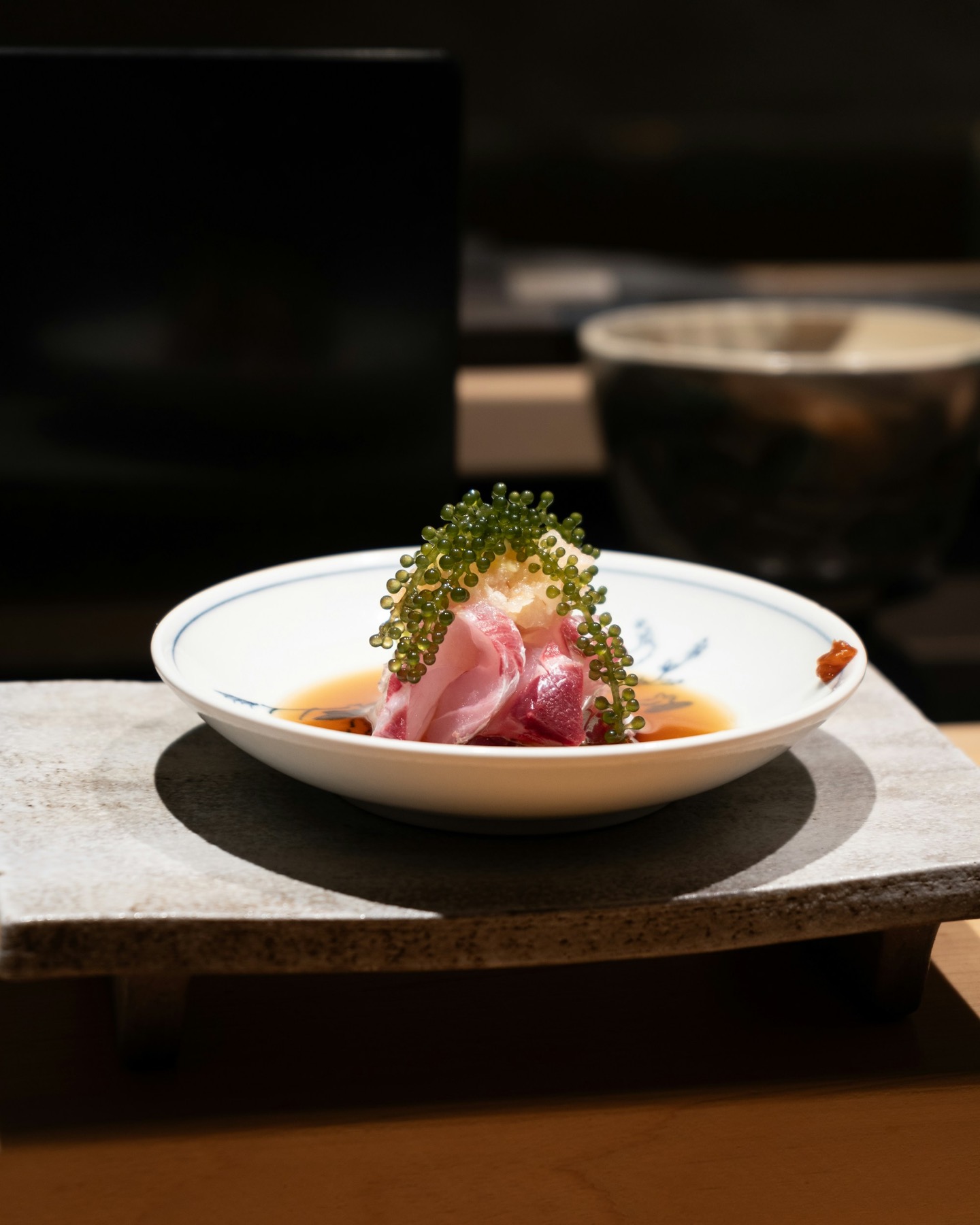
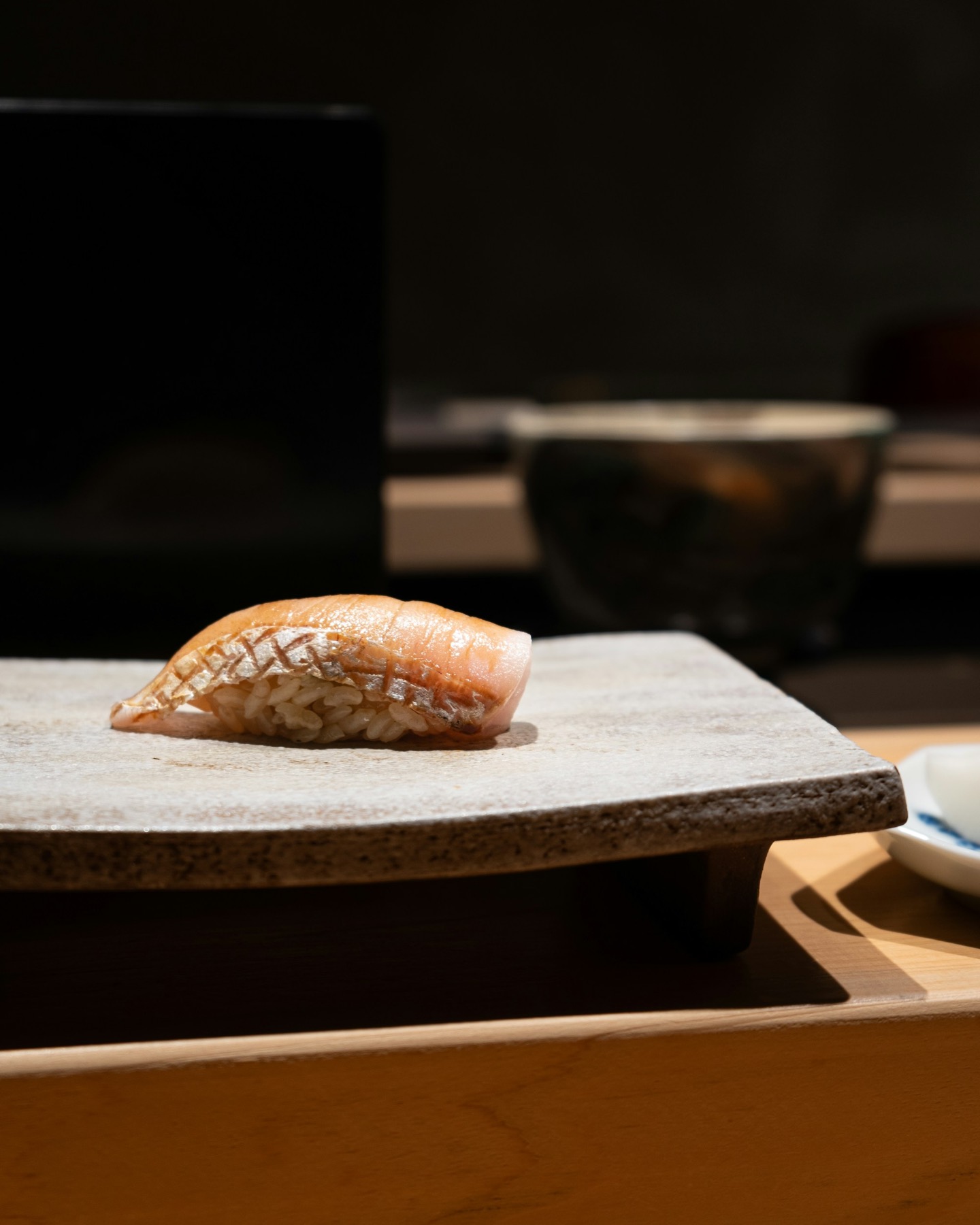
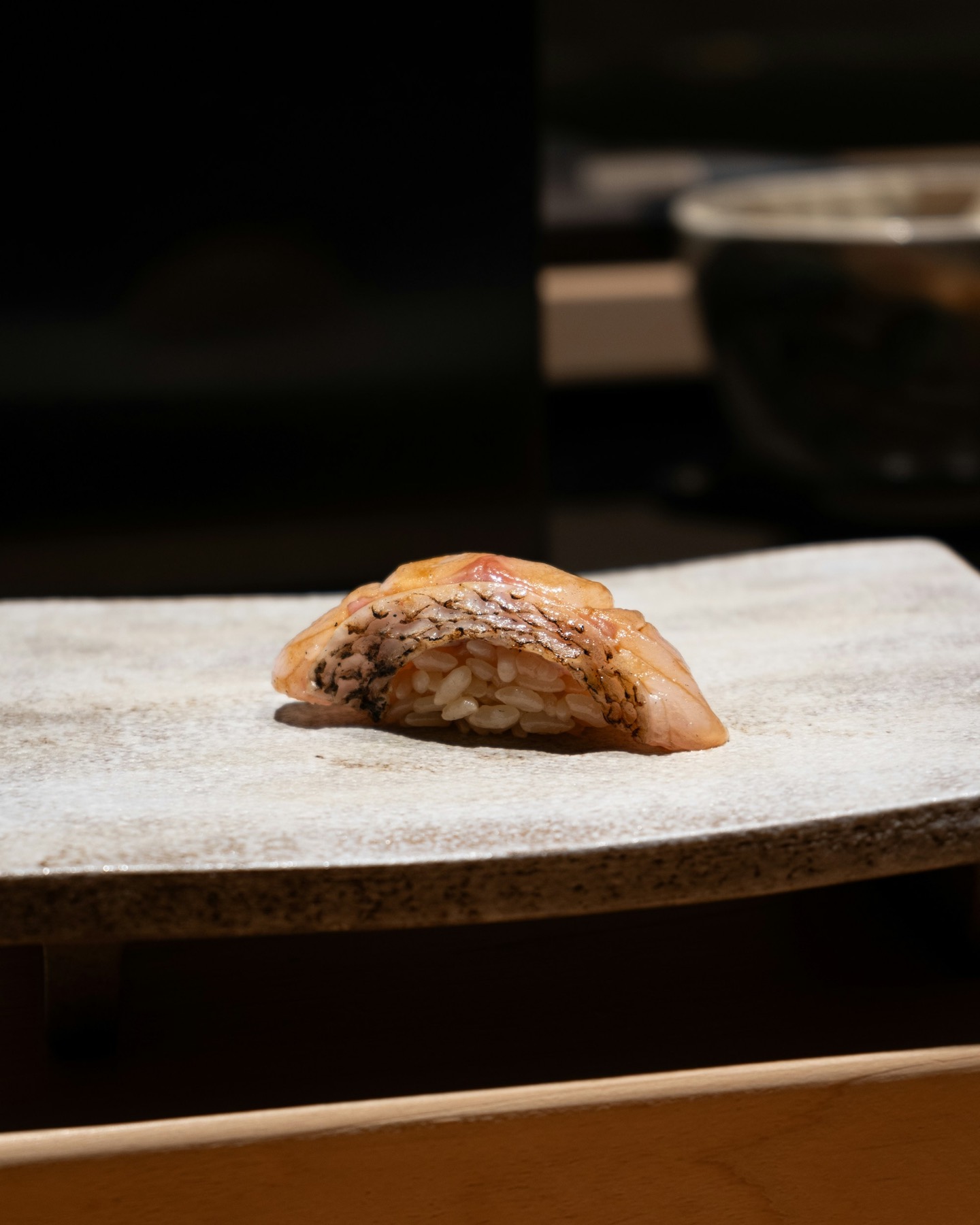
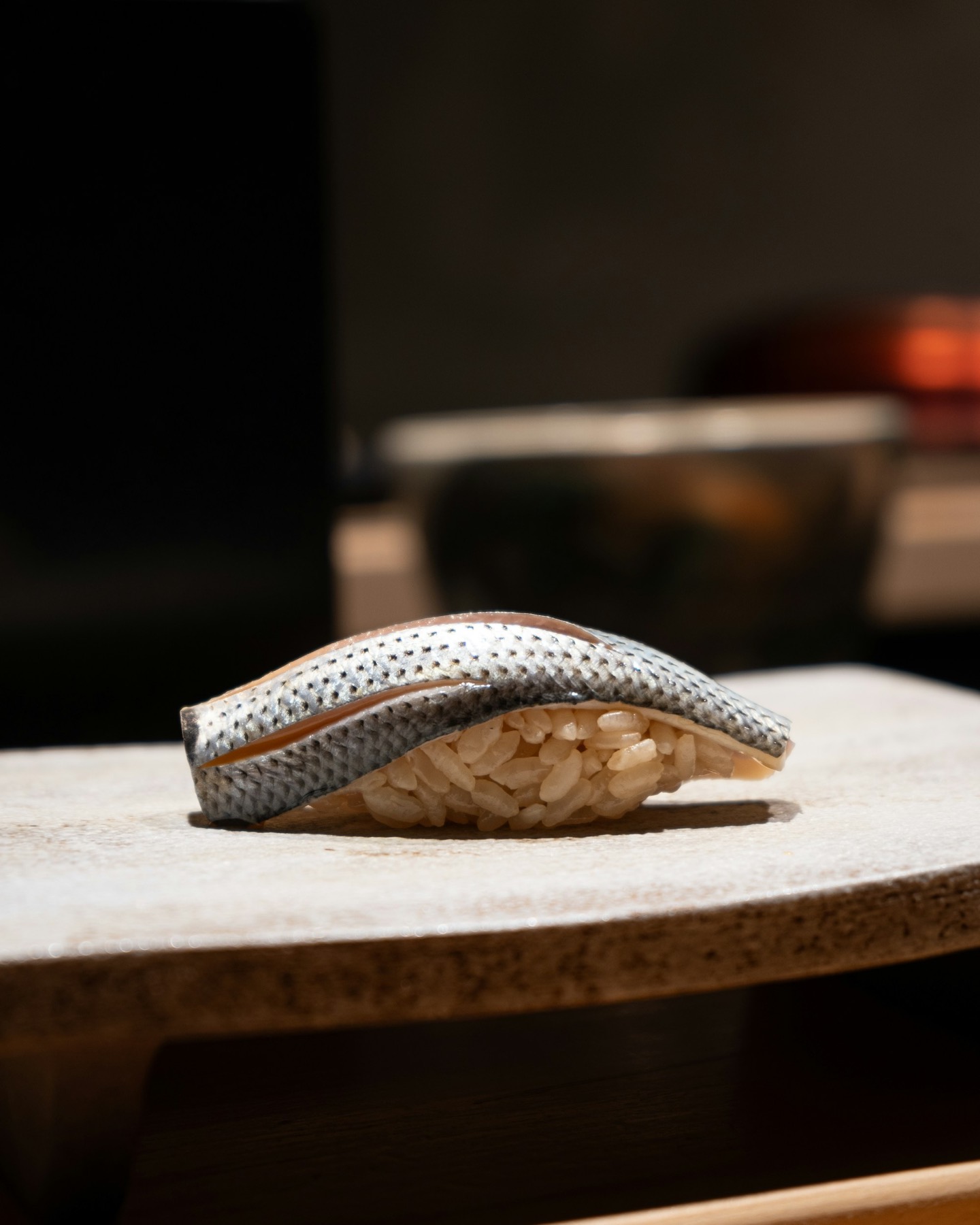
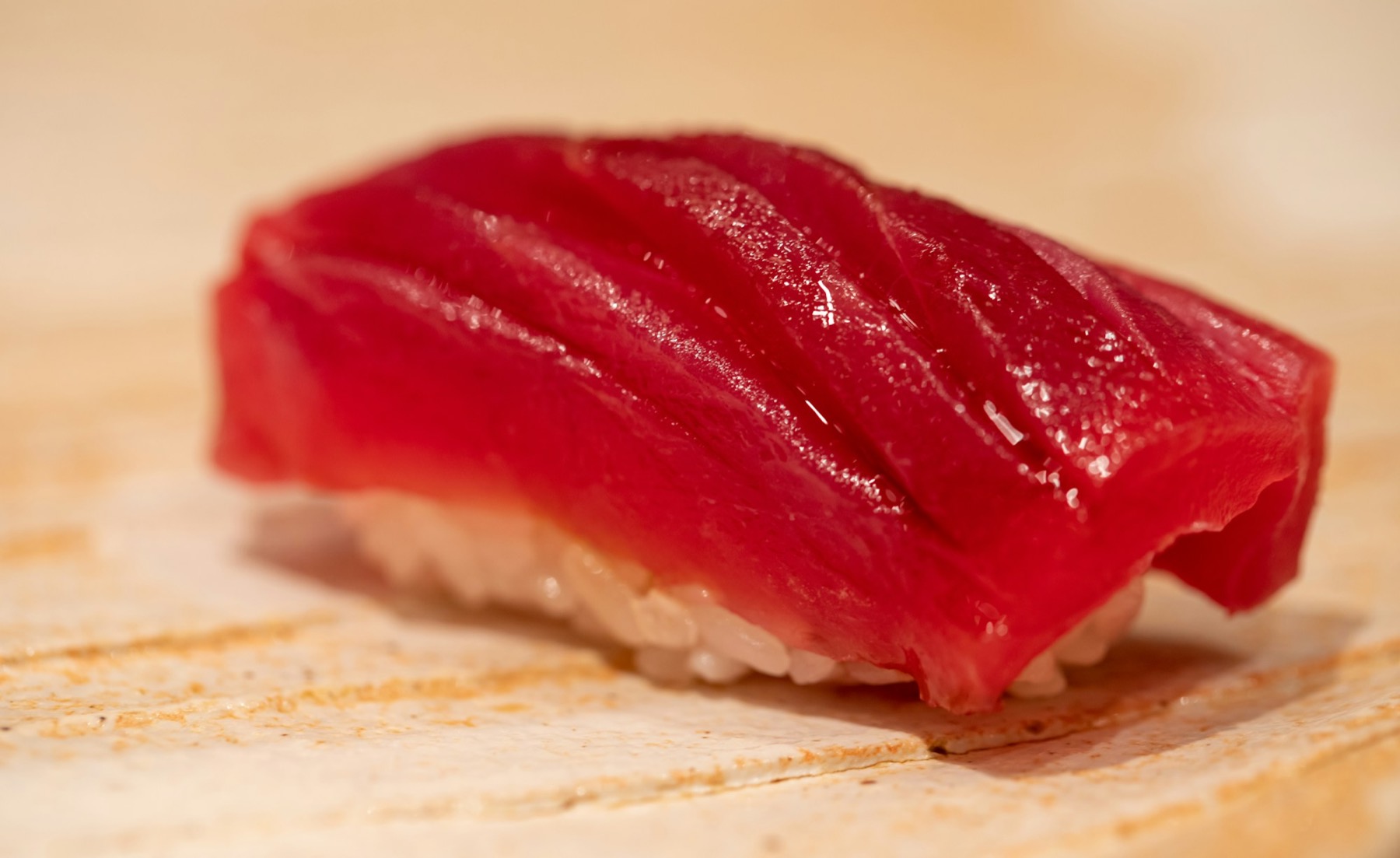
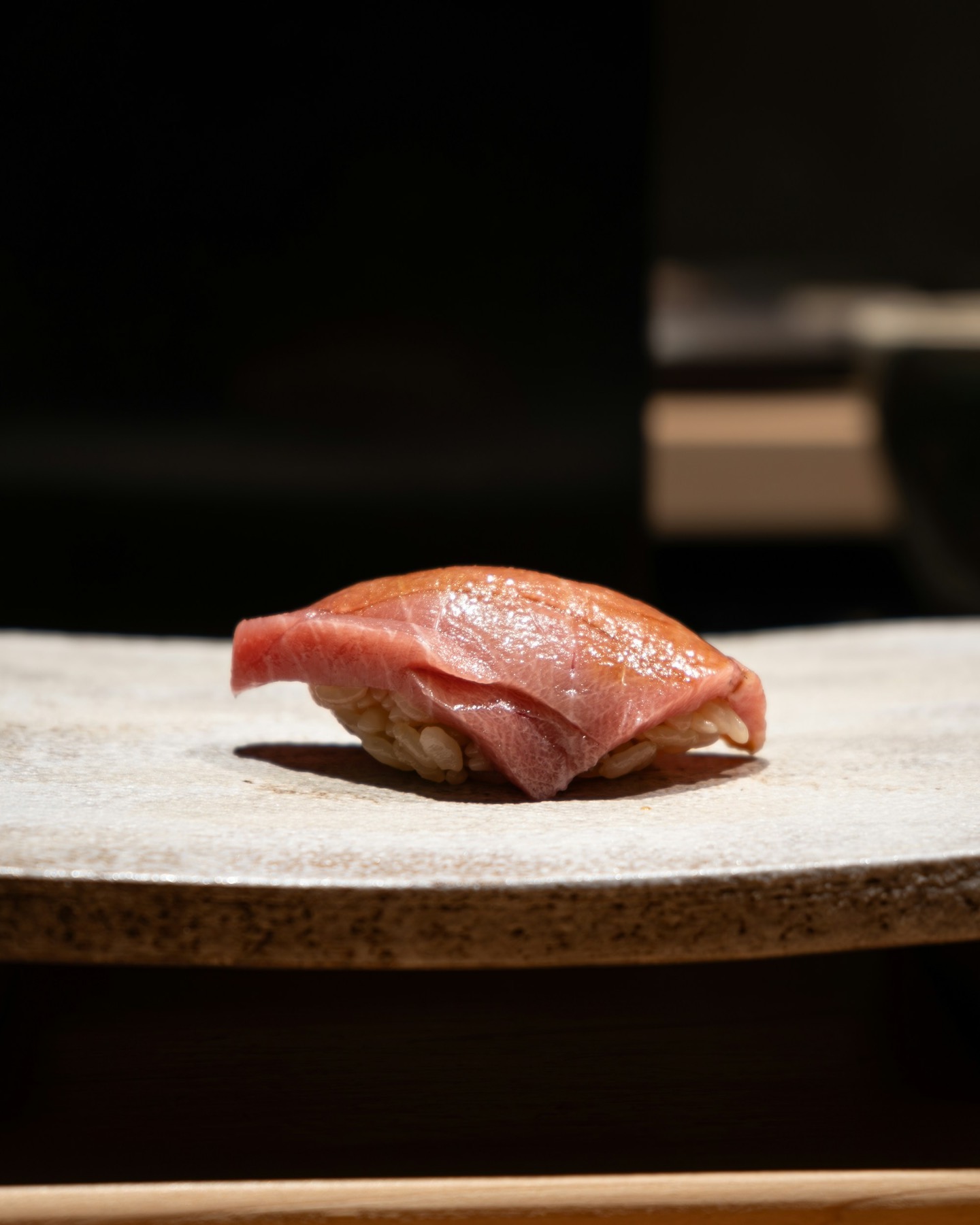
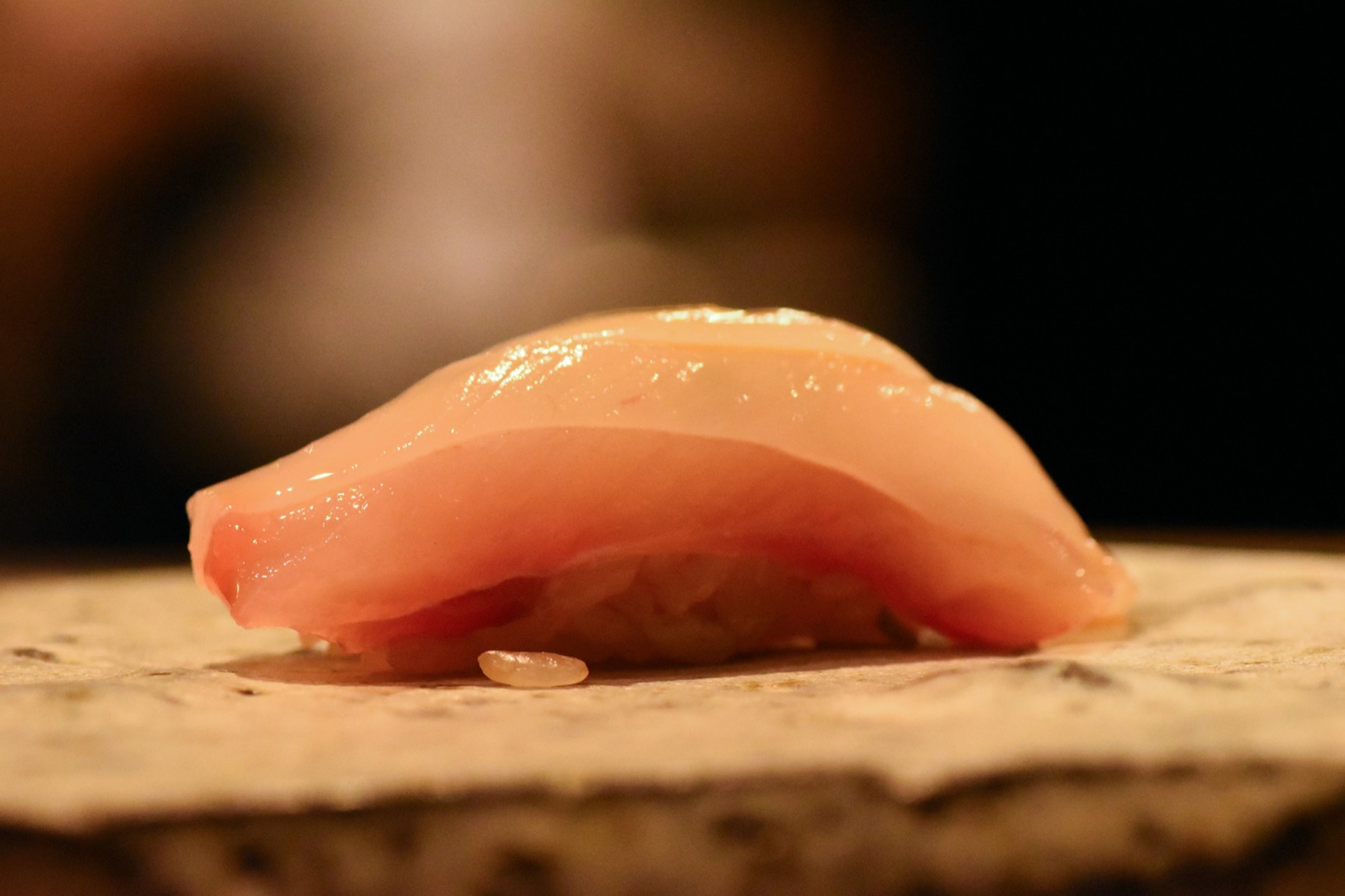
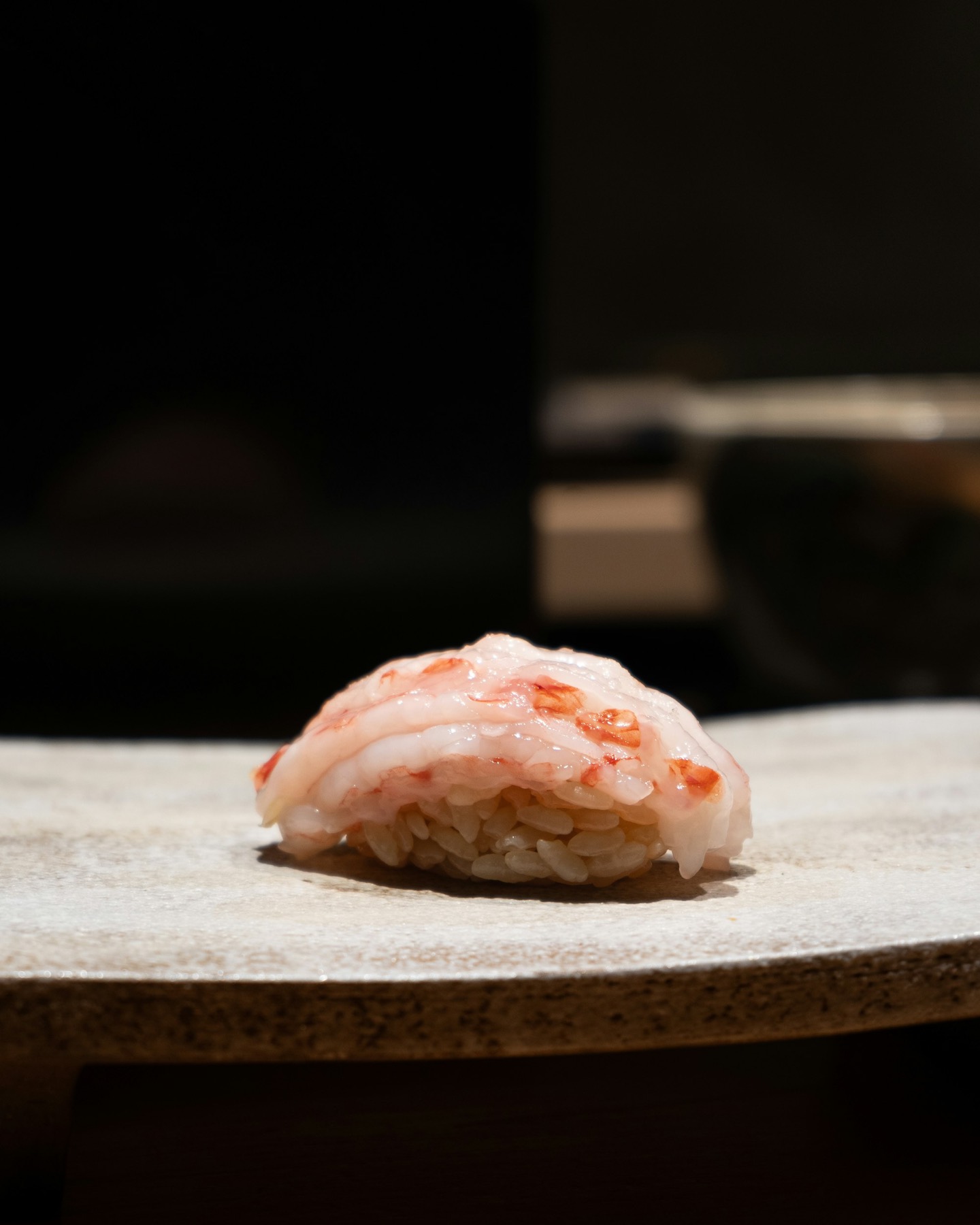
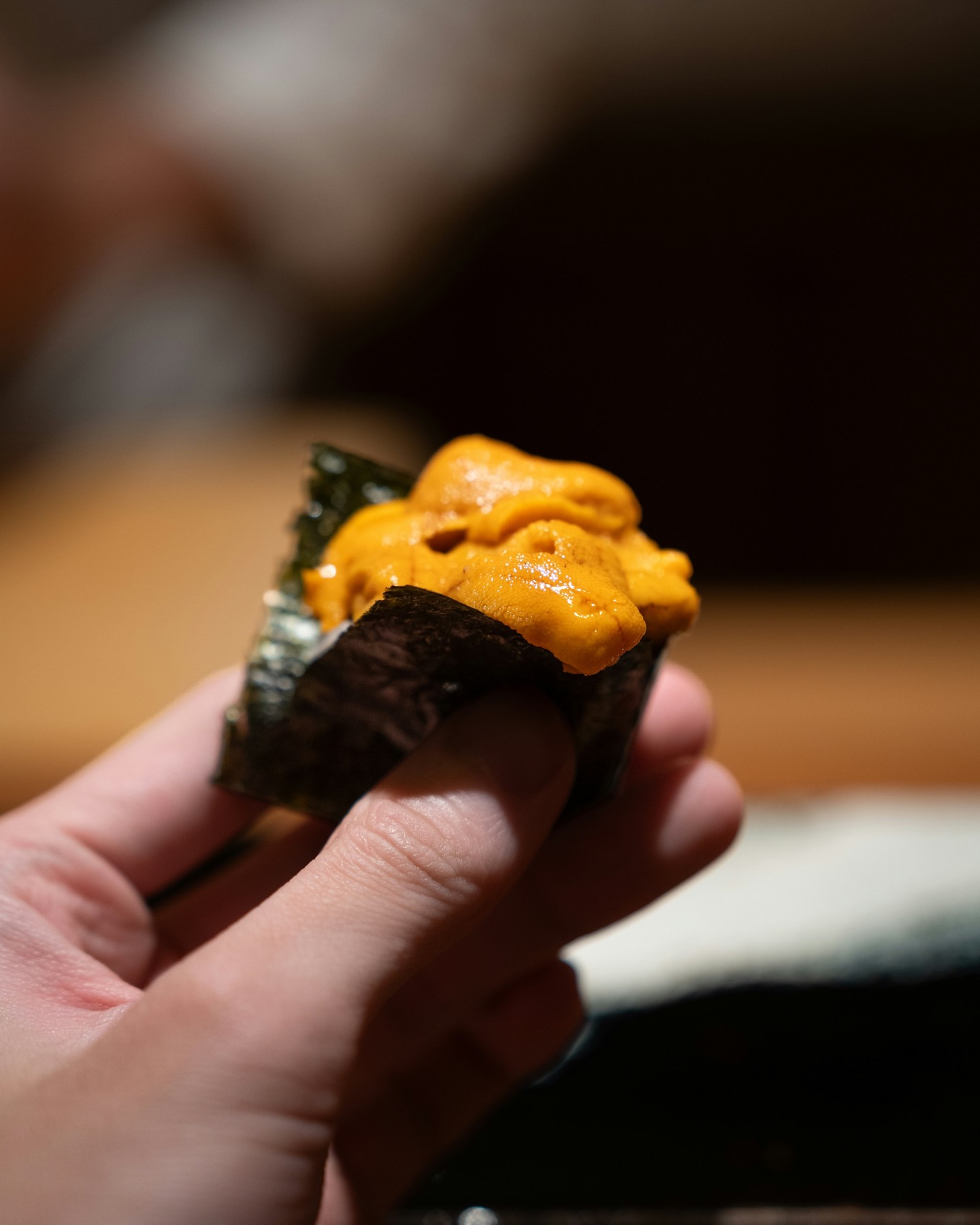
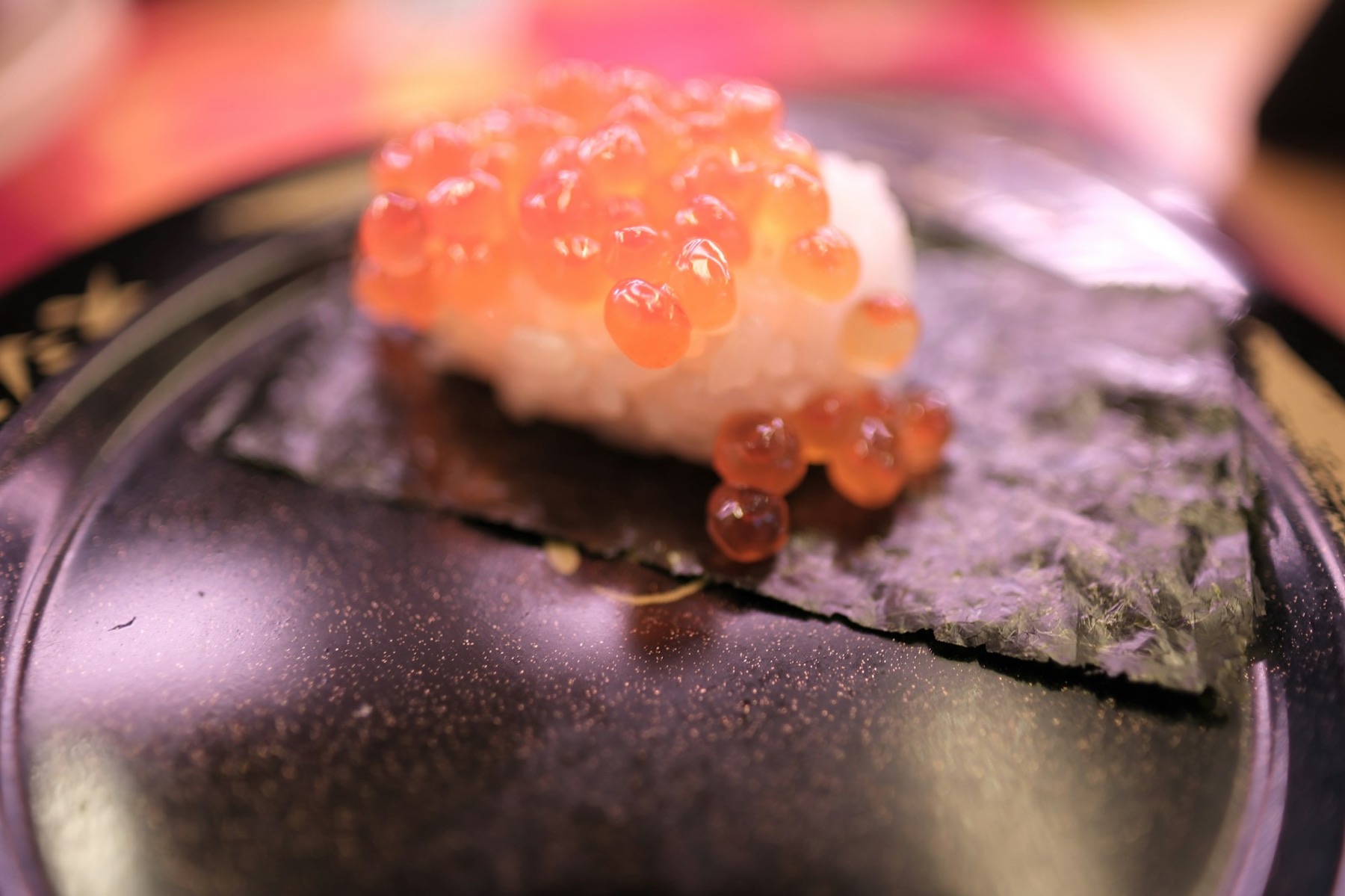
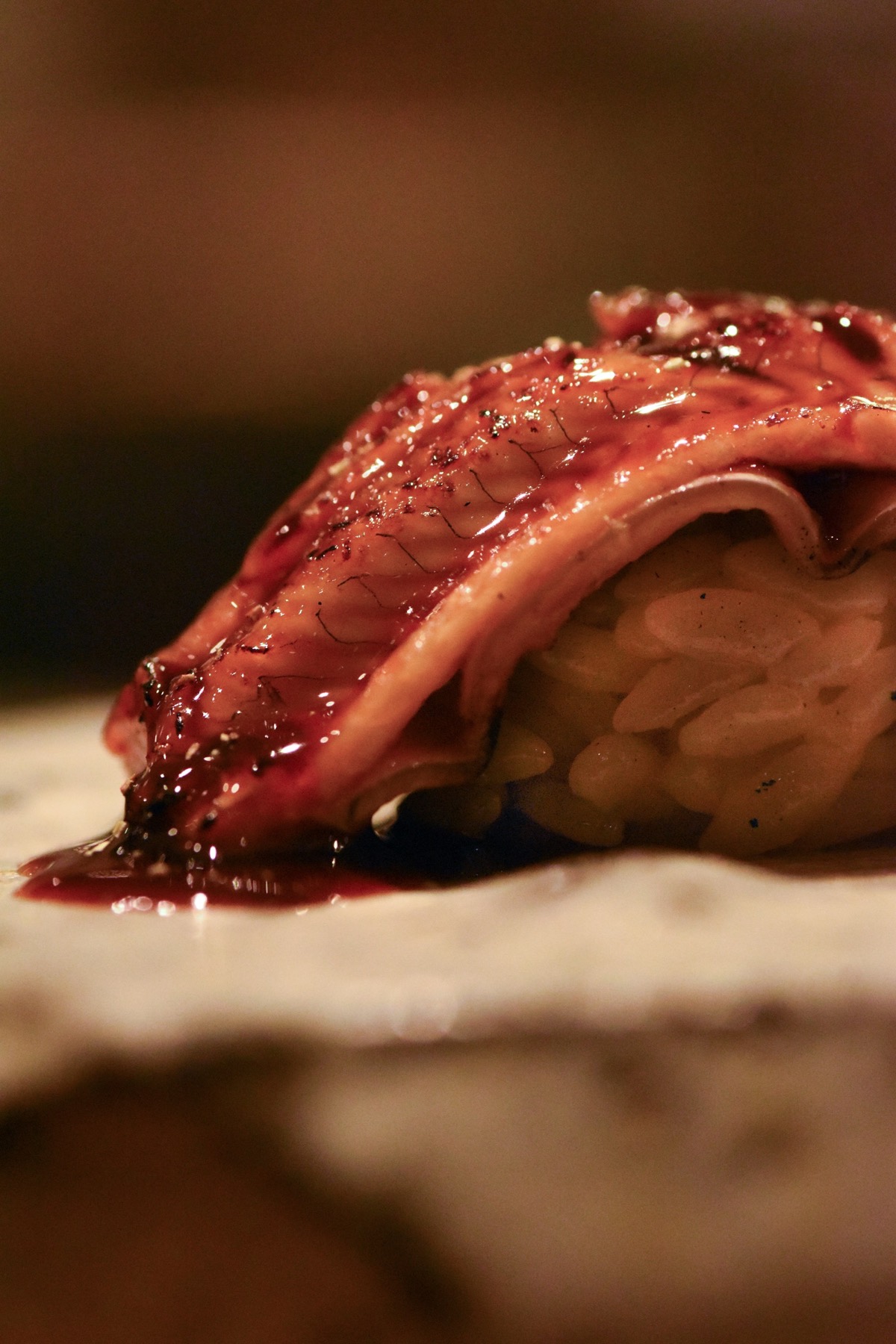
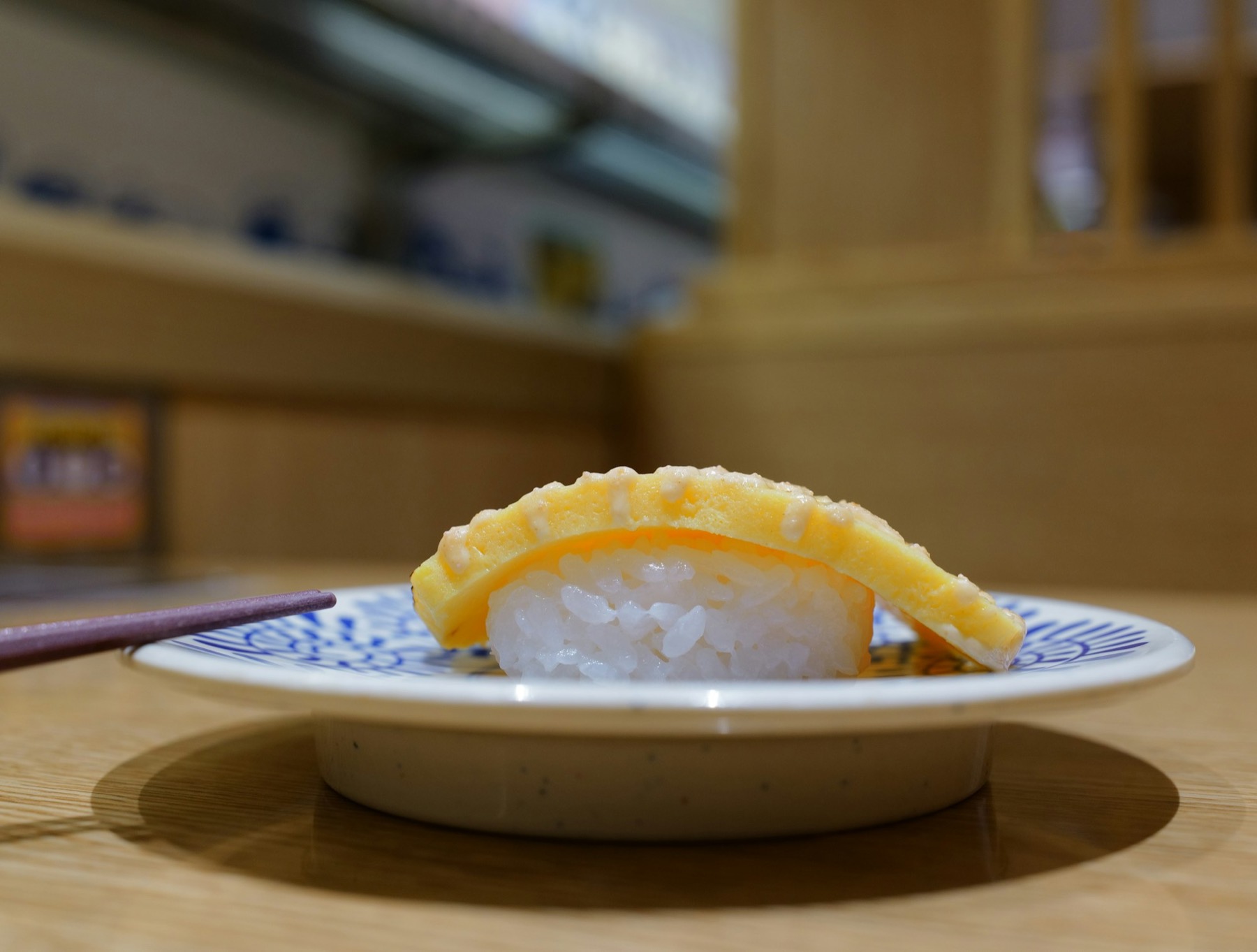
- The fish
- From
- Season
- How it is prepared
Five pours that
follow the fish.
Five small glasses for $110, each poured as the tide turns: a dry ginjō with the first whitefish, an aged, honeyed sake with the egg.
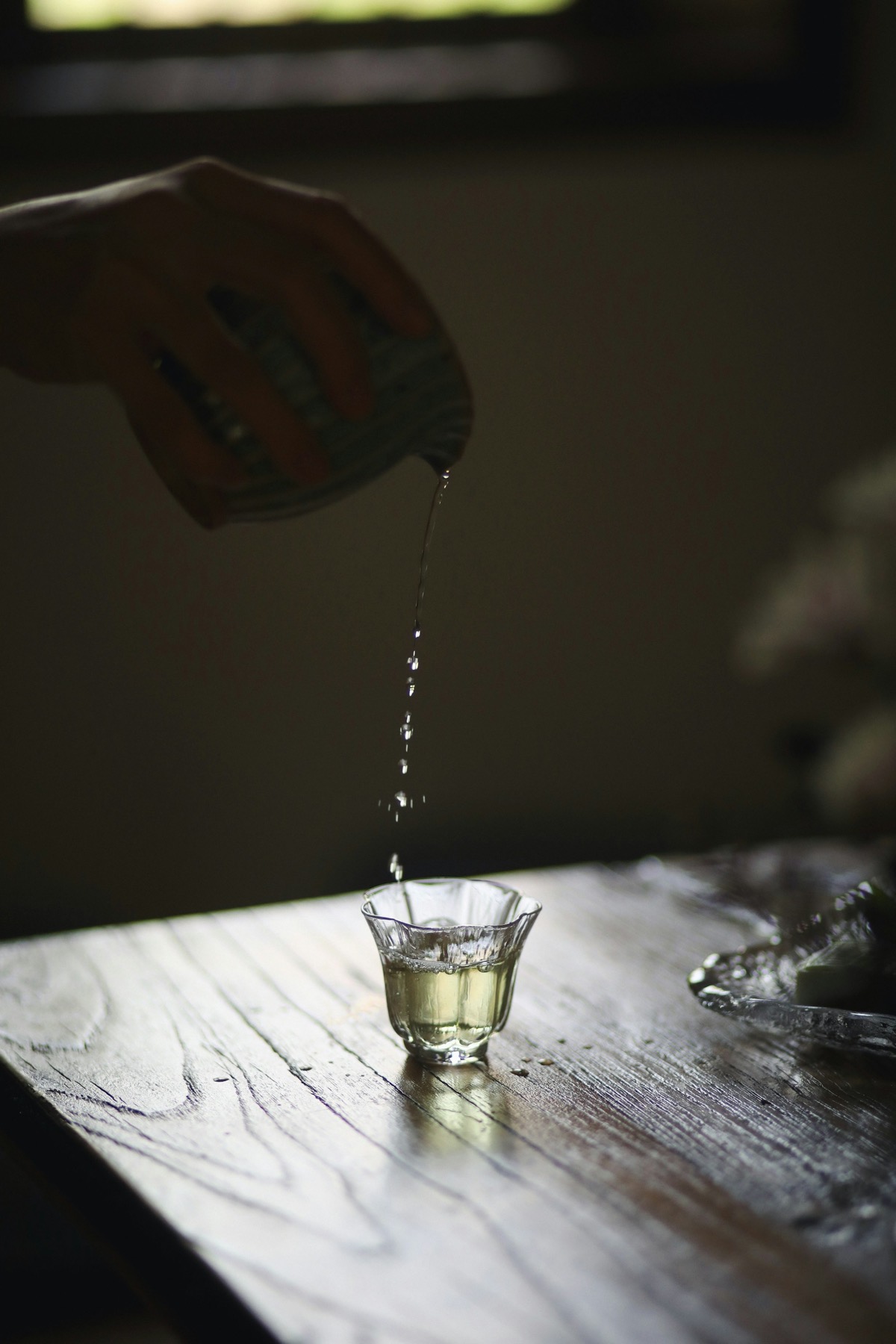
- 01Junmai ginjōClean and dry, with the crab and flounderPieces I–IINiigata
- 02Kimoto junmaiSavoury and round, with the snapper and the silver fishPieces III–IVHyōgo
- 03YamahaiRich and earthy, for the three cuts of tunaPieces V–VIIFukushima
- 04NigoriCloudy and soft, with prawn, uni and ikuraPieces VIII–XKyoto
- 05KijōshuSweet and amber, with the eel and the eggPieces XI–XIIHiroshima
Seen enough?
Take a seat.
Tell us about allergies when you book. The course is fixed, but the chef can work around most of them with 48 hours’ notice. Raw fish and shellfish allergies are hard to accommodate at this counter.
Reserve a seat