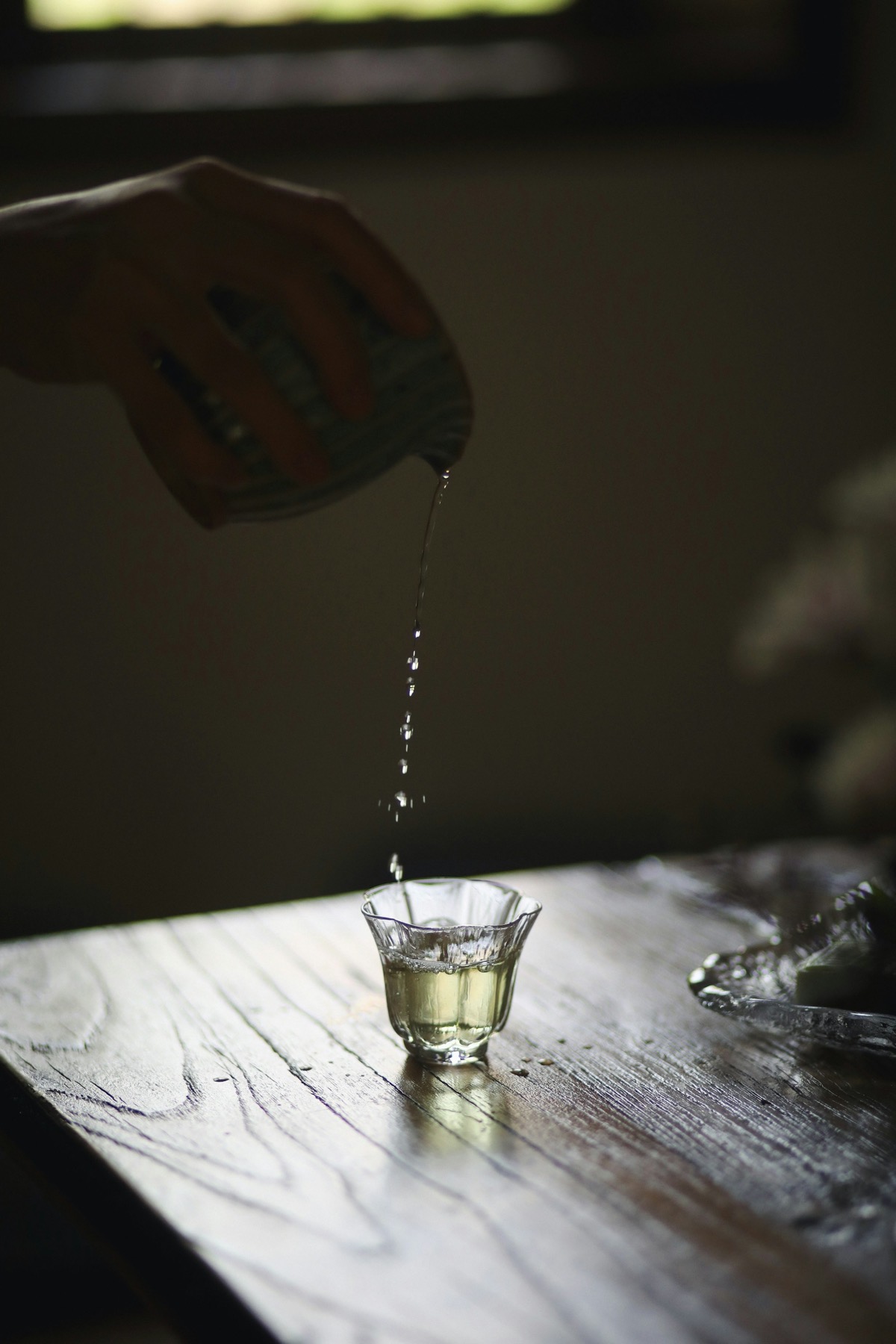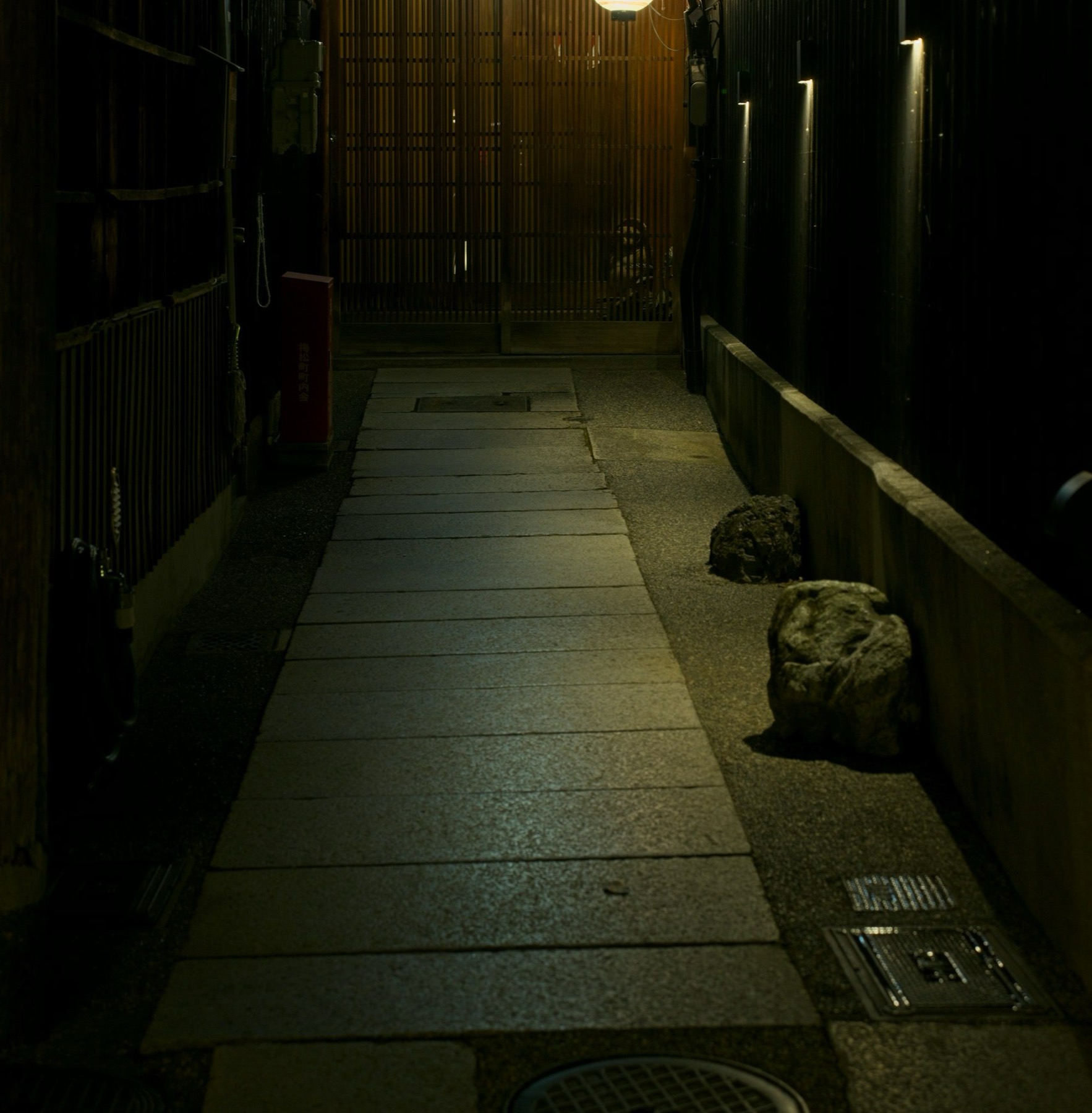
The lantern goes on.
Look for the white noren on a quiet side street in Washington Square West. The door opens at 17:45 and the counter seats at six exactly, all ten guests at once.
Edomae omakase at one hinoki counter in Philadelphia. Ten seats, $245 a guest, Tuesday to Saturday at 18:00 and 20:45.
Every night runs to the same timetable. Scroll through it.
Look for the white noren on a quiet side street in Washington Square West. The door opens at 17:45 and the counter seats at six exactly, all ten guests at once.
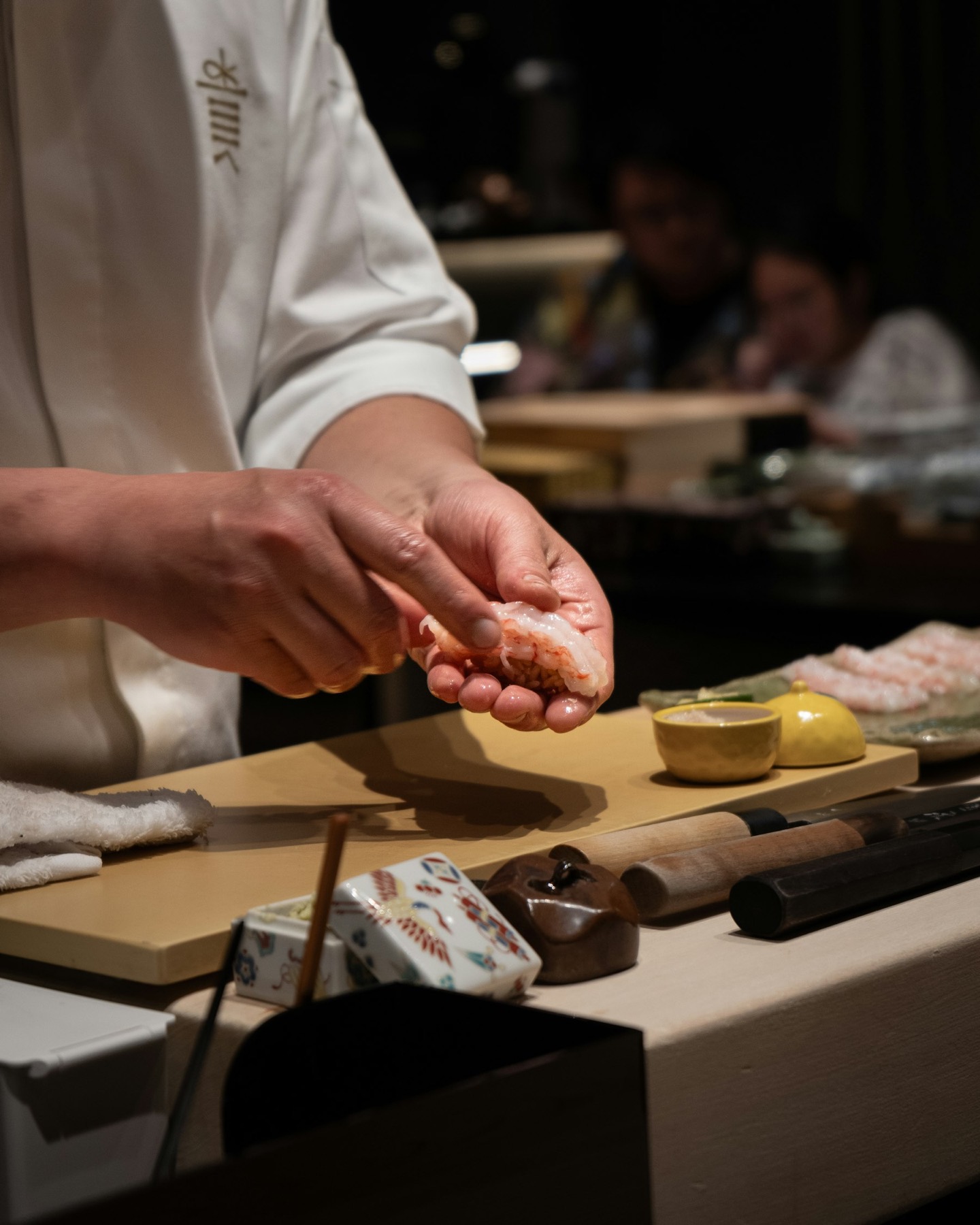
There is no kitchen door. The counter is a single piece of cypress, and the chef works an arm’s length from the person in seat five.
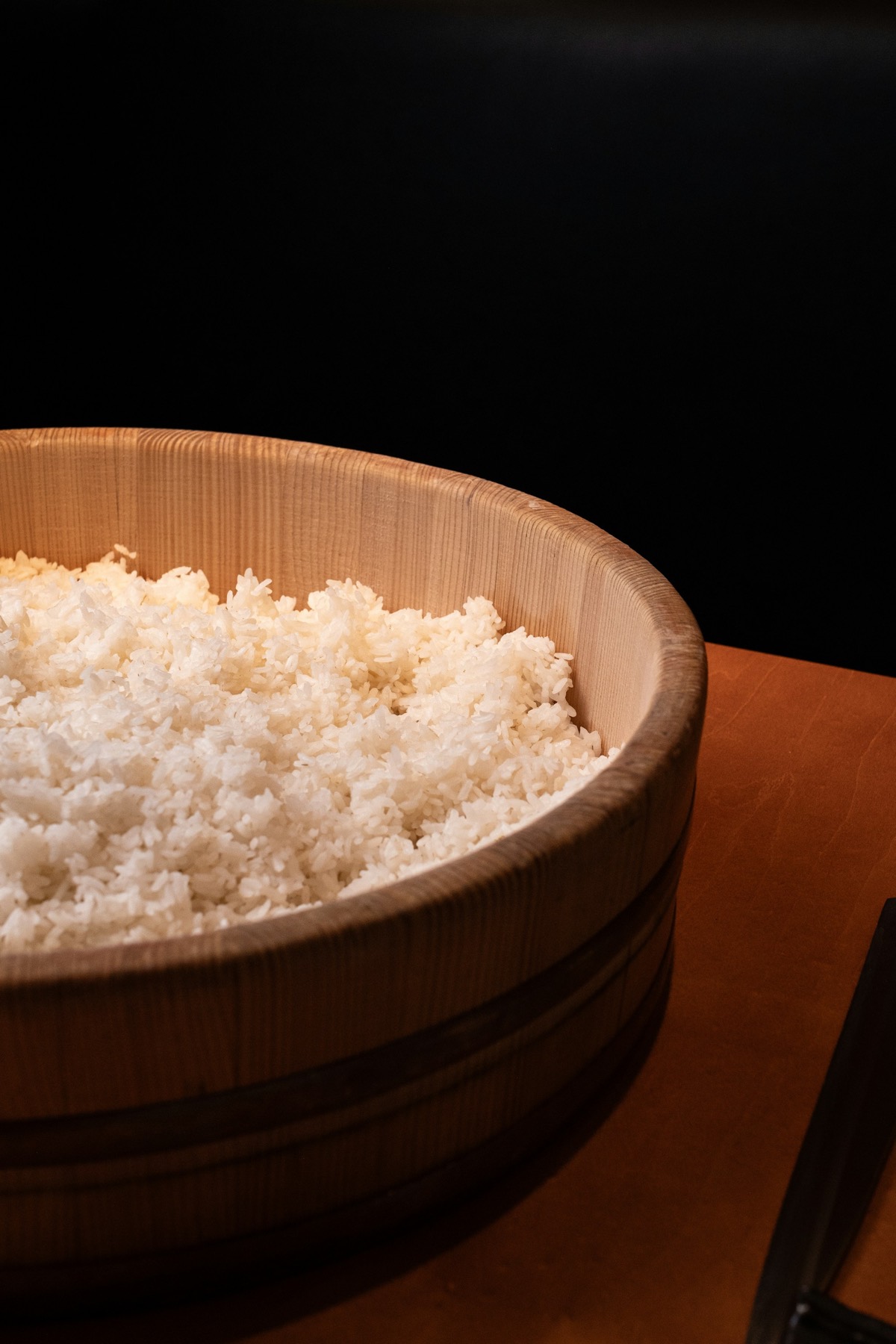
Koshihikari rice seasoned with aged red vinegar, held at body temperature. It is the one thing on the counter that never changes.
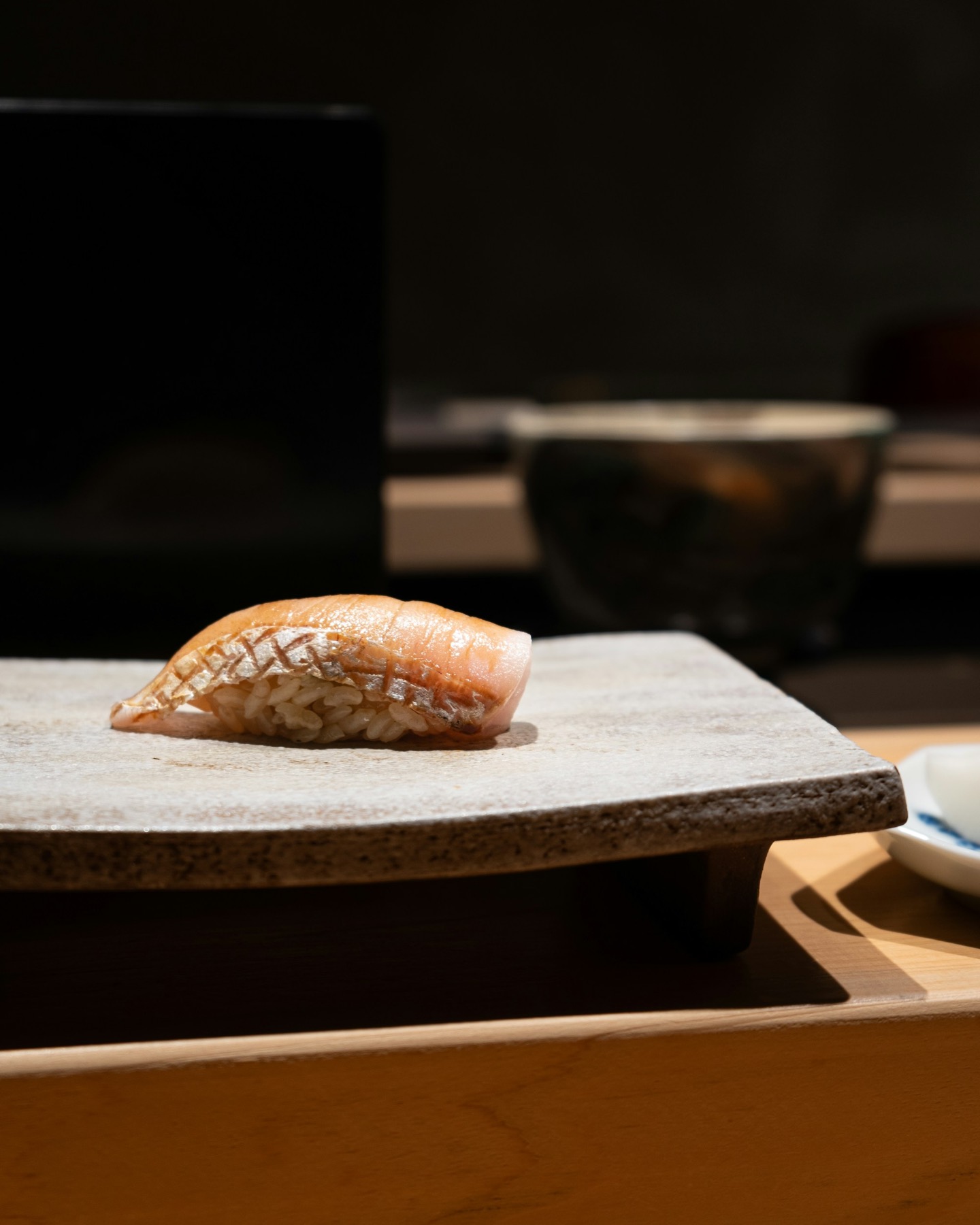
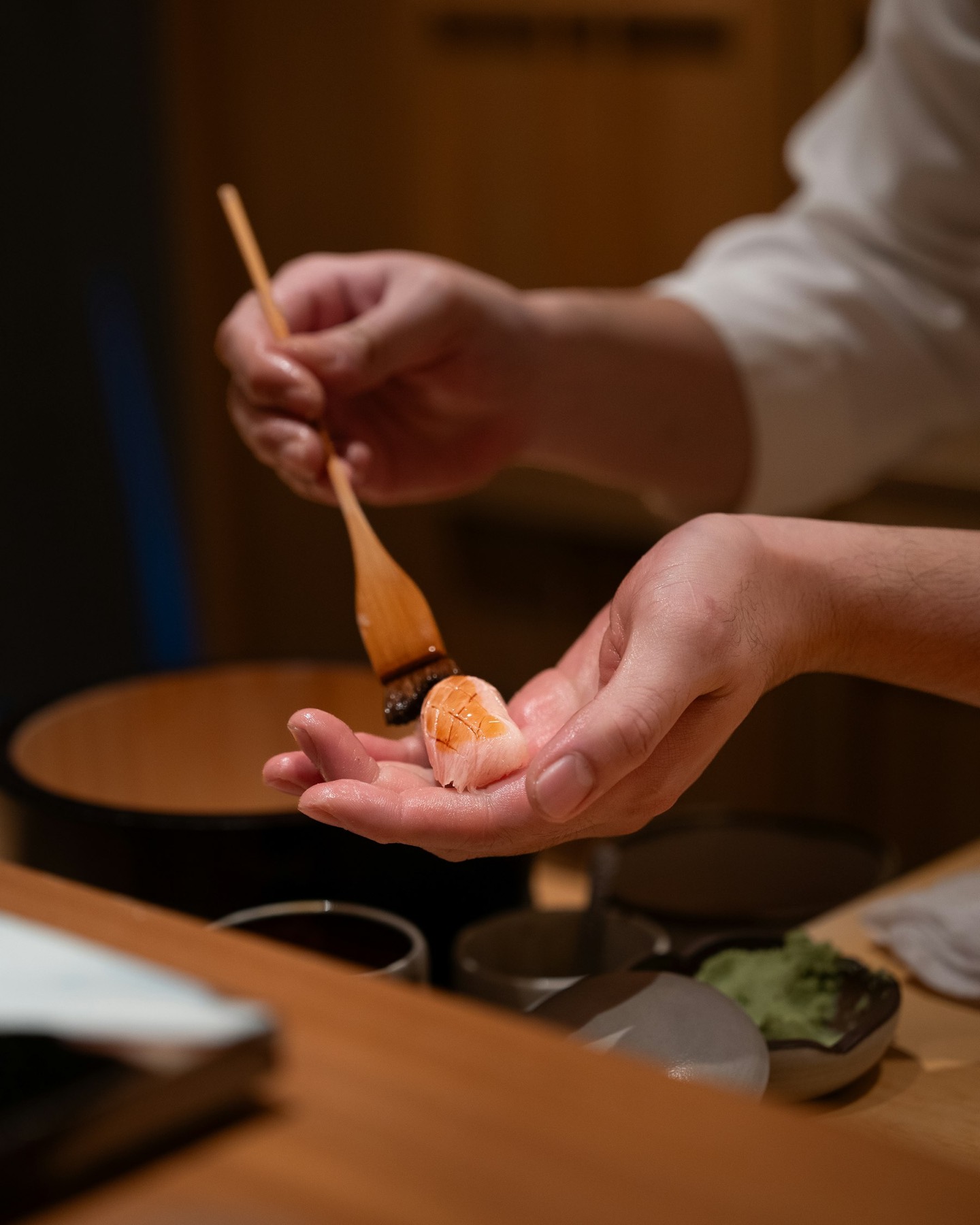
Crab, flounder and snapper, each handed across the moment it is shaped. You eat it with your fingers, within a breath.
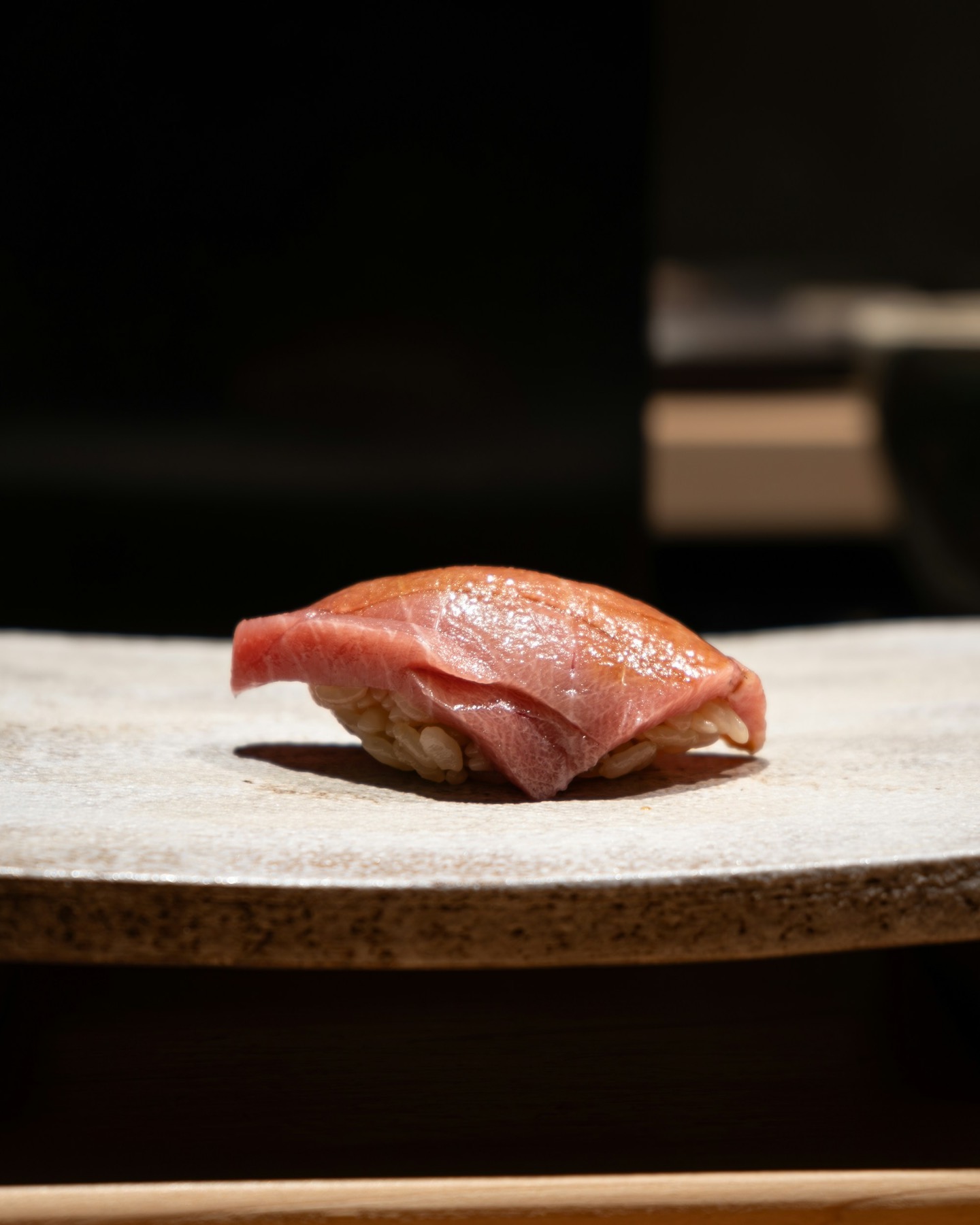
Lean, medium and belly from the same fish, aged in a cold room for up to ten days. The room goes quiet here.
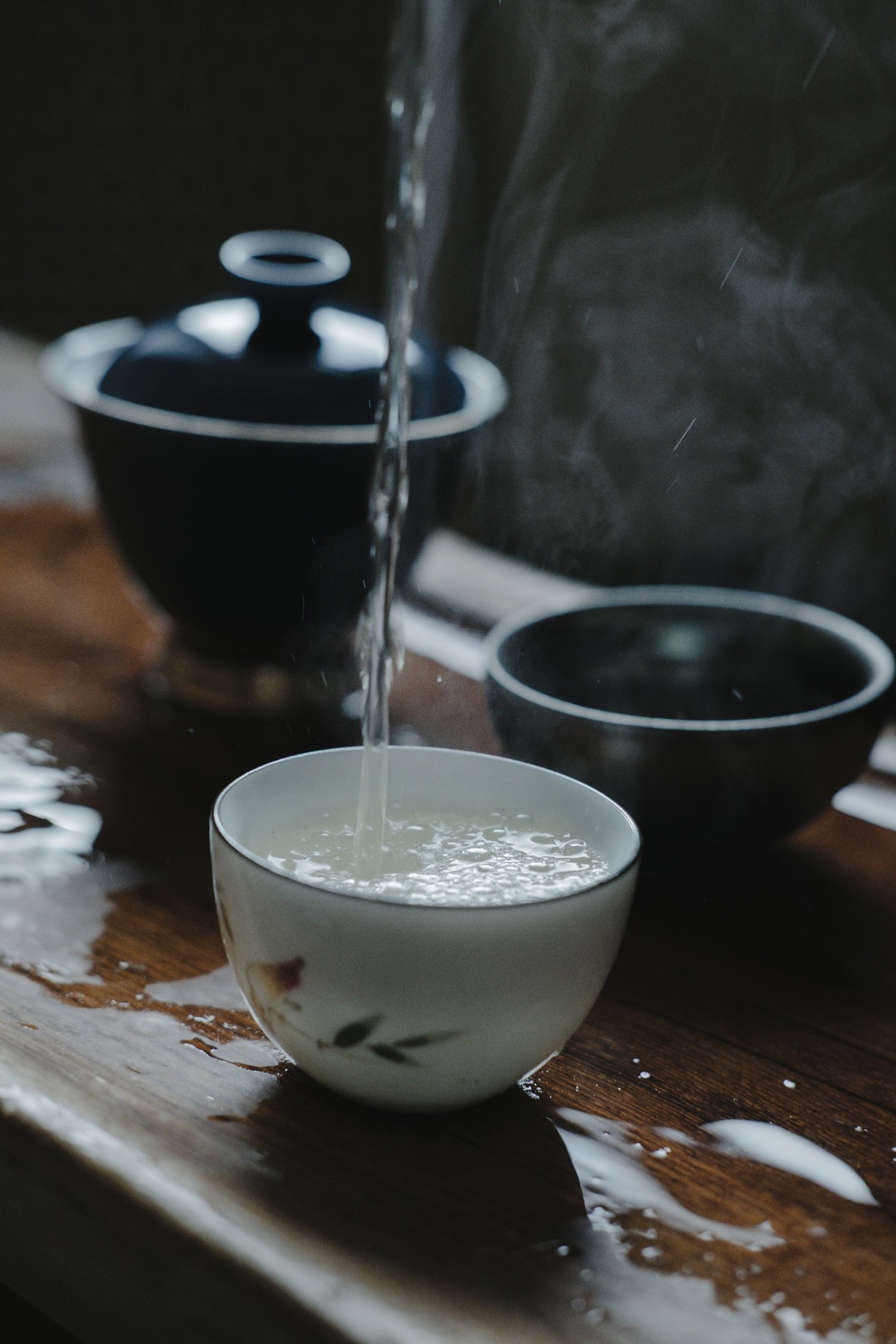
A slice of sweet castella egg closes the course. The second seating begins at 20:45, so nobody is hurried out.
Ten guests a seating. The best seats face the chef’s board, and you can choose yours.
Twelve pieces in the order the chef has served them for twenty years. The bar under each piece shows how rich it is; the belly of the tuna is the high tide.
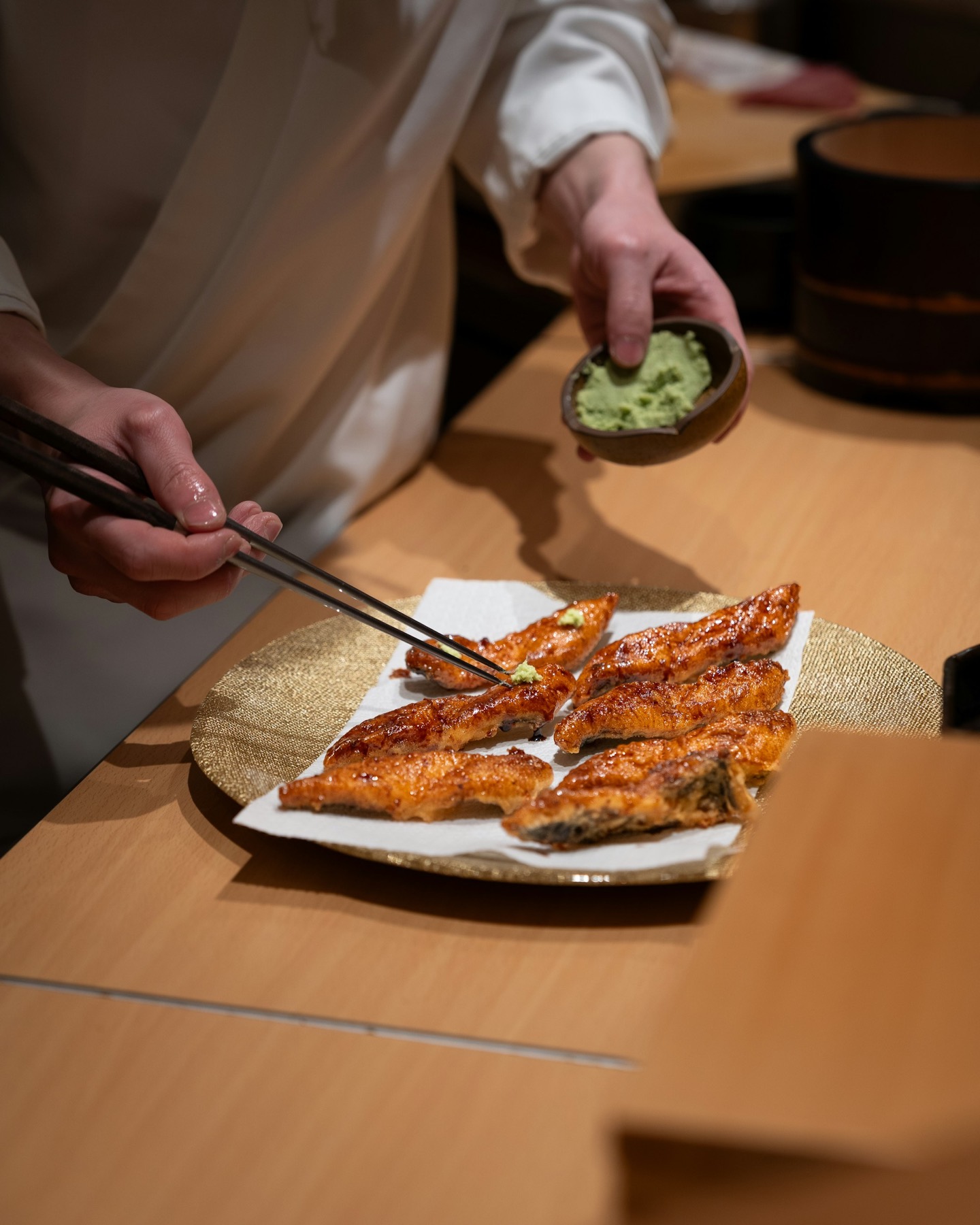
“I don’t cook for the room. I cook for the one person sitting in front of my knife.”
Kenji Arata, chef and owner
Arata washed rice for three years in Ginza before he was allowed to touch fish. Shio keeps that discipline and serves it to ten people at a time, close enough to watch every cut.
Read his story